It’s really hot and dry in Malawi in October. Rains start in December and finish in April, so by now we have had six months with absolutely no water. And yet are tomatoes and this green maize almost ready to harvest, thanks to the hard work of the people who Kindle helped to organize into treadle pump irrigation clubs.
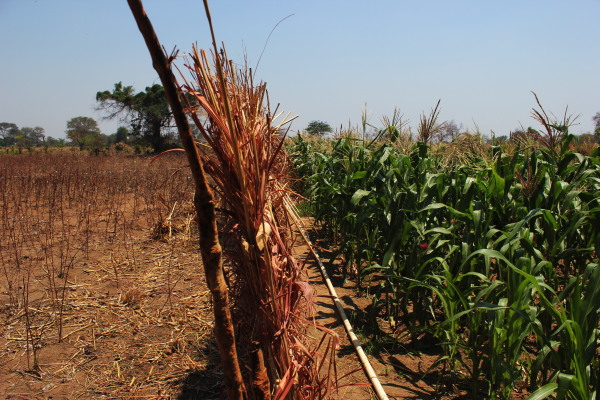
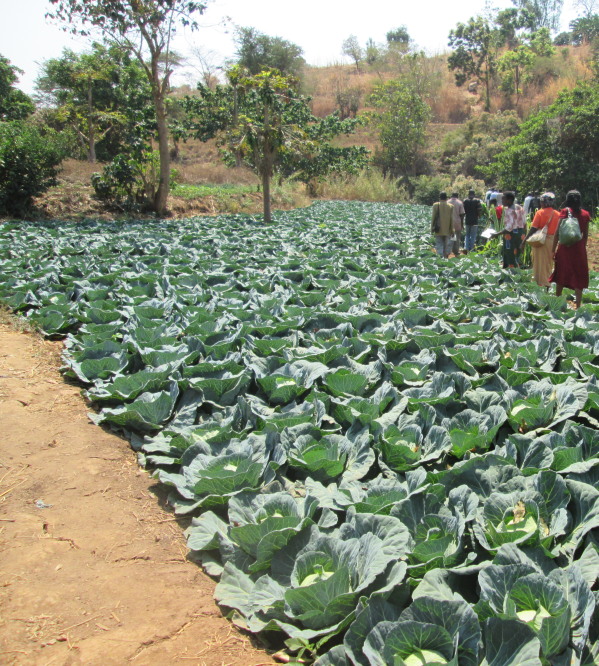
When Jeputala village saw their neighbors selling fresh produce in the middle of the dry season, they asked Kindle to help them start a treadle pump irrigation club. With guidance from Kindle and one of our partners, they got organized, made a down-payment on a pump, and started a garden. Continue reading “A Tale of Two Organizations”
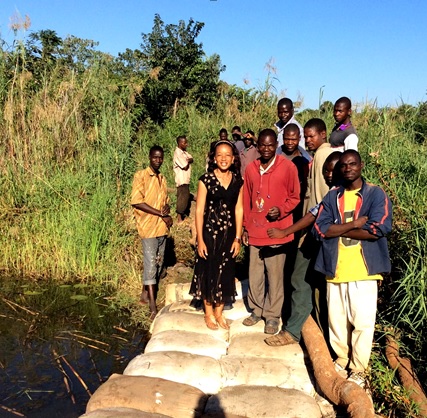
We have always felt that caring for physical needs is central to our work. But we have also found that it’s a tricky business here in Malawi… Continue reading “A Tale of Two Villages”
As director of Kindle Orphan Outreach, I rely heavily on the rest of the management team for how we should respond to various situations. We often spend much time talking through issues to reach a consensus. And many times I have decided that they know better than I do, or else that this is another example of cultural preferences, and I just go along with the others.
But there is an issue that has continued to trouble me through many hours of discussion over the past three years. Continue reading “Making Allowances”
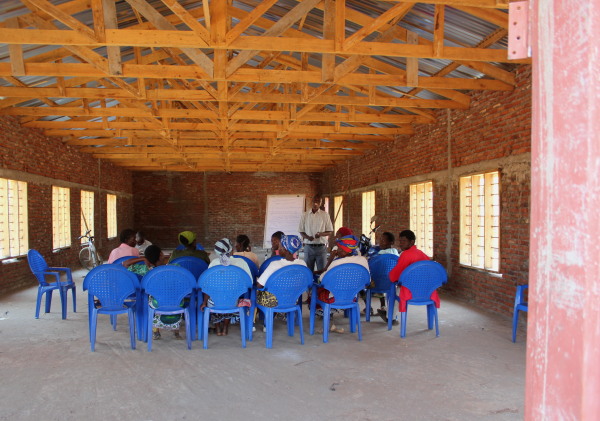
We’ve completed Phase 1 of construction on “Tiwale Centre,” a meeting hall and vocational training school. This photo shows some Kindle workers in Tiwale Centre teaching guardians of orphans about farming techniques to increase their harvest.
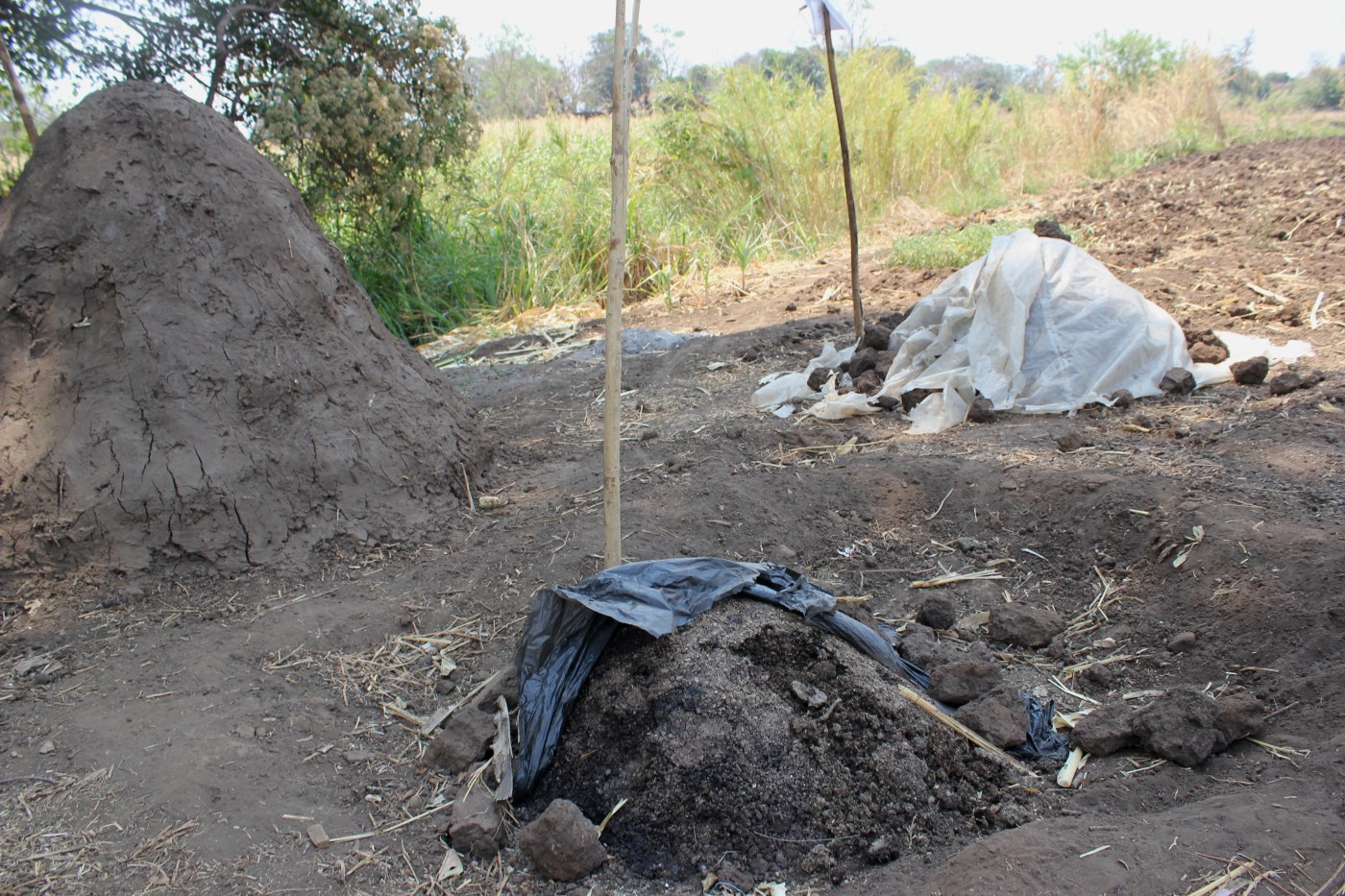
When anyone starts learning Chichewa, one of the first phrases learned is “pang’ono pang’ono.” It means little by little. In the past week, I have heard this phrase when talking about my children adjusting to life back in Lilongwe, when discussing language learning, and when talking about the work that needs to be done on our house. It is a handy and encouraging phrase in Malawi where change occurs slowly. Continue reading “Piles of Poop”
Yesterday we bade farewell to three women who were here working us for the last six weeks. One of the things that they did for us was to put together this video about Kindle Orphan Outreach:
Thank you, Callie, Kelsey, and Megan!
While walking home one day, I noticed the girls on the farm collecting large stalks of grass. I asked them what they were doing. According to them, the headmaster of their school required the students to bring bundles of grass so they could build another latrine (the grass is used to make the walls). I thought to myself, “How wonderful, they are doing this on their own.” So many times in Malawi things are not done because “the projects need donors to provide money” so that Western-type building materials can be used. However, this schoolmaster took the initiative to use home-grown materials to build the latrine. We hope to do the same thing in Kindle–to use the resources the people have to achieve the things that will benefit themselves and their communities.
The main obstacles to development constantly surprise me. For example, the Head of Kindle’s Education Department would like to start a small business. I asked if he was considering a maize mill, used to grind the staple food here, and a popular choice for income generation. He was visibly shocked at the suggestion, and said if he did that then everyone would think he wanted to murder them. It is commonly believed that a maize-mill business can not succeed without human sacrifice.




 The Stockers' Stories