When anyone starts learning Chichewa, one of the first phrases learned is “pang’ono pang’ono.” It means little by little. In the past week, I have heard this phrase when talking about my children adjusting to life back in Lilongwe, when discussing language learning, and when talking about the work that needs to be done on our house. It is a handy and encouraging phrase in Malawi where change occurs slowly.
Since returning to Malawi, we have often been discouraged at the pace of change. One of the hardest things for the work of Kindle Orphan Outreach is the prevalent “what’s in it for me” culture. This is not traditional Malawian culture, but something learned from well-intentioned people and groups, especially non-governmental organizations (NGO’s). In the past, and even continuing today in most groups, NGO’s offered incentives to Malawians to learn new ideas to help in agriculture, education, finance, etc. So today, if Kindle wants to hold a training, the villagers expect to be paid for their time, instead of just wanting to learn to make their lives better. It is discouraging to hear, “the other NGO gave us umbrellas and t-shirts so we would come to their training; what are you going to give us?”
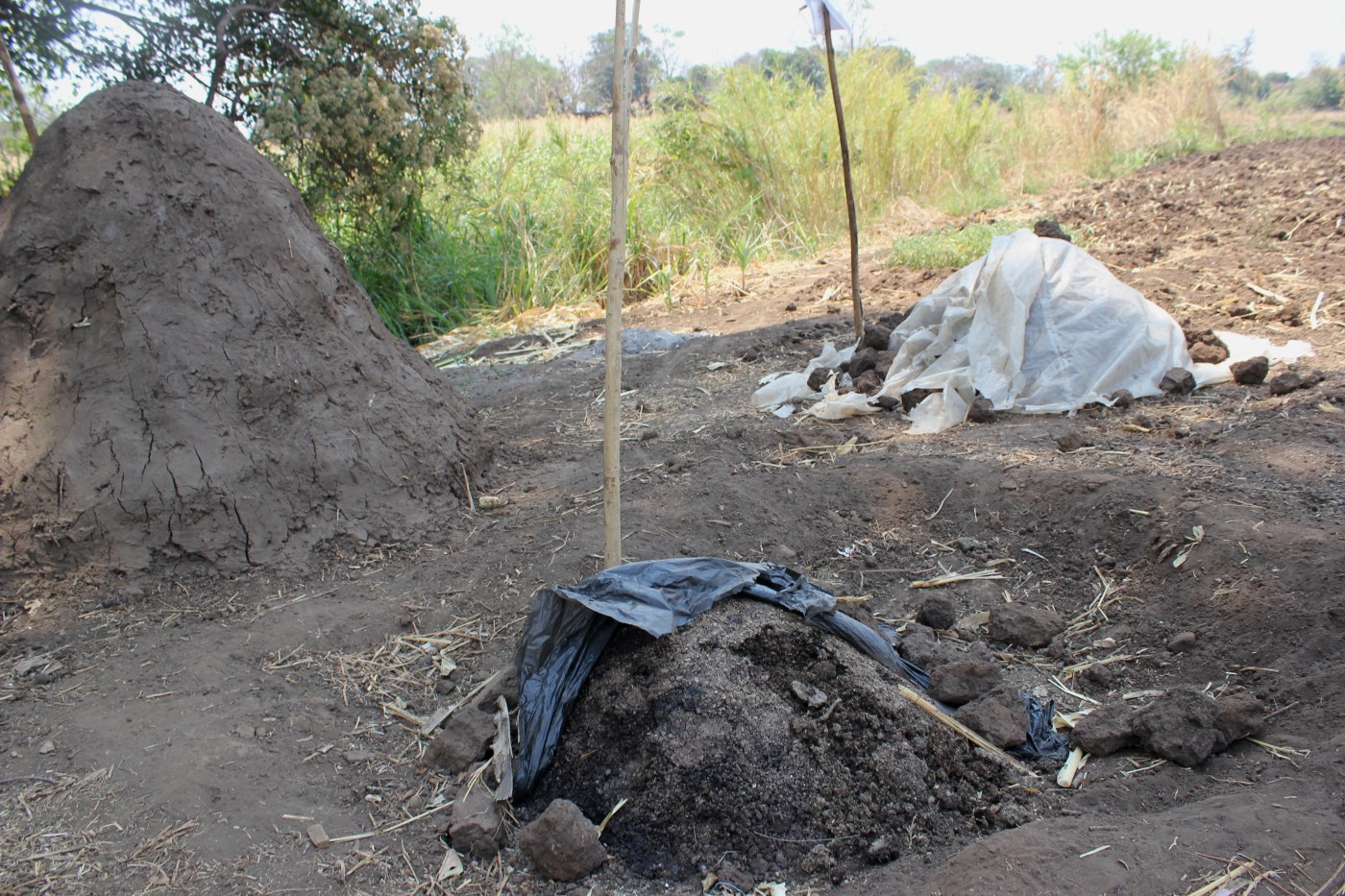
Recently, though, we were encouraged with a field day to showcase agricultural products that we co-sponsored with a large NGO. Kindle’s community development workers, Yohane Chisale and Yohane Malenga, planned to show how to make fertilizer using things found in the village (corn husks, goat dung, etc.). They purchased the needed materials for 2,000 Malawi Kwacha (about 7 dollars) and also brought about 10,000 Kwacha worth of food to share.
The other NGO showed up with hundreds of thousands of kwacha worth of food, dozens of vehicles packed with people from all over the district who sang songs of praise about their NGO, many more vehicles bringing government officials they had paid to attend, and 40 new bikes “to be given away to the area’s lead farmers.”
Our “Yohane’s” (as they are affectionately called) looked at the circus with dismay. Who would care about what they had prepared? But they started showing people “pang’ono pang’ono” the way to make fertilizer. And they drew the largest crowd at the event. One district officer, praised them for their work: “This could be the end of the government’s Fertilizer Subsidy Programme!”
At the end of the day, the other NGO announced the time for giving away the bikes. The farmers in our area each hoped they would be chosen to receive a bike. However, ALL of the bikes went to government workers and the singers of praise that had been brought in from other areas. Before, the farmers in our area believed that Kindle works too slowly and asks too much from the community, but suddenly they started to realize that the ones who come to just give are often really more interested in themselves than in the community they’re supposed to be helping.




 The Stockers' Stories
Leave a comment